Understand Your Social & Sensory Traits
Explore Yourself
Online Autism Spectrum Test - Quick Assessment Tool
 Autism Spectrum Test: Comprehensive Guide to Screening
New Updates

Adult Autism Self-Assessment: A Comprehensive Guide to Screening
Why Self-Assessment Matters for Late-Identified Adults
More adults than ever are investigating lifelong patterns of communication style, sensory pref...

Autism Test Online: A Comprehensive Guide to Taking Self-Assessment
Understanding Online Autism Screeners: Purpose, Scope, and Ethics
People explore digital screeners to better understand communication styles, se...

Your Guide to Free Autism Test: Practical Steps and Ethical Use
Understanding Accessible Autism Screening and Why It Matters
People often look for clear, approachable ways to explore neurodivergent traits before m...
Online Autism Test for Adults
Get StartedExplore Your Cognitive & Behavioral Patterns With RAADS Autism Test
Autism is a neurodevelopmental variation that affects social communication, sensory processing, learning styles, and patterns of attention. It is not a disease to be cured but a natural form of human diversity that often coexists with unique strengths, support needs, and a different way of perceiving the world. Researchers now describe a broad spectrum because traits can range from subtle to highly pronounced, and because support needs can change over a lifetime. Culture, community, and context matter, too, since expectations and environments shape how traits appear and how people thrive.
In conversations with families and professionals, it helps to use clear language and emphasize dignity, autonomy, and practical supports. Many people want a straightforward answer to the question and benefit from concise definitions when they first hear the phrase what is autism explained with respect for identity, strengths, and individualized needs. Precision with terms like “traits,” “characteristics,” and “diagnosis” also prevents confusion and keeps the focus on tangible help.
Clinicians, educators, and self-advocates often remind newcomers that there is no single exam, and that the phrase autism test usually refers to a group of tools used alongside interviews and observation. A comprehensive evaluation can include history taking, sensory and language assessments, and sometimes a structured autism spectrum test within a larger, person-centered process. In practice, the goal is clarity about support, communication preferences, and practical accommodations rather than chasing labels for their own sake.
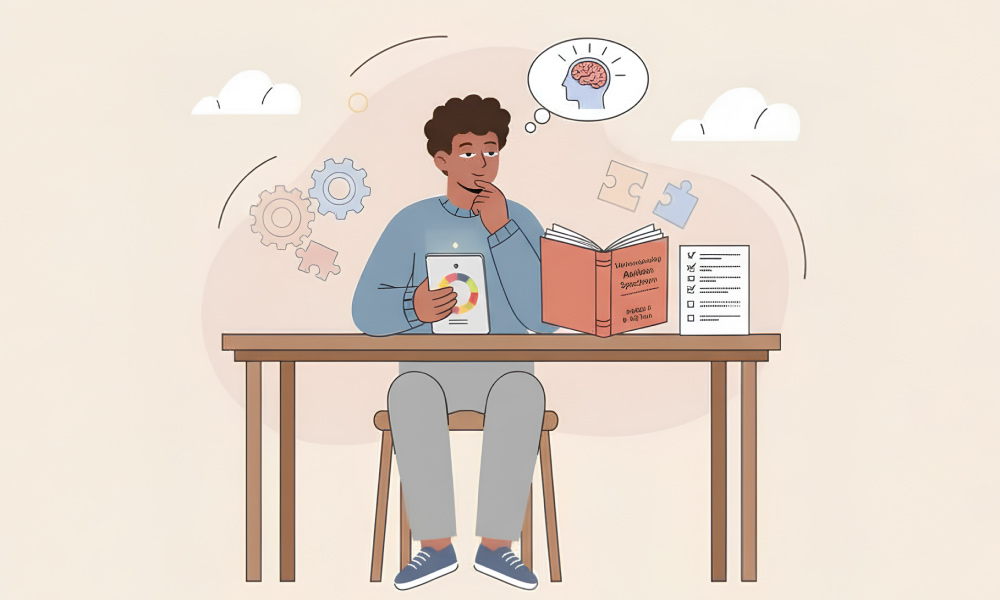
Traits Across Ages: Communication, Sensory Profiles, and Daily Life
Signs can look different from one person to another, and they can also shift across situations. Some individuals prefer predictable routines and focused interests, while others demonstrate striking adaptability when environmental demands match their strengths. Communication differences may include directness, literal interpretation, or a preference for written channels over spontaneous conversation. Sensory experiences are also diverse, ranging from heightened sensitivity to sound or texture to a seeking of movement, pressure, or visual detail.
Healthcare teams emphasize early identification because timely support can reduce stress for the whole family. During well-child visits, pediatric practices may use an autism screening test as a quick check that prompts deeper discussion when scores suggest follow-up is helpful. These screens are not diagnoses, yet they can open doors to speech-language evaluations, occupational therapy, and school-based services that improve day-to-day participation.
Researchers have studied emotion recognition and attention patterns using experimental tasks, and some labs popularized tools that probe social perception in nuanced ways. In that spirit, you may see references to the autism eyes test in articles that explore how people interpret expressions from limited facial cues, though outcomes vary widely by individual and context. What matters most is translating insights into practical accommodations like flexible communication formats, sensory-friendly spaces, and predictable transitions.
- Communication: preference for clarity, reduced small talk, and time to process responses.
- Sensory: sensitivity to noise, light, touch, or smell, or seeking specific sensations.
- Executive function: need for planning tools, timers, visual schedules, and routines.
- Social energy: fluctuating capacity for interaction and recovery time after events.
Abilities That Shine in Work, School, and Community
Beyond challenges, many autistic people describe reliable strengths that enrich teams, families, and communities. Pattern recognition and systems thinking can drive rigorous analysis, debugging, and innovative design. Deep focus yields high-quality output on complex tasks, while principled honesty supports trust and ethical decision-making. When workplaces and schools align tasks with interests, productivity and well-being can grow in tandem.
Families sometimes explore informal resources while they seek professional guidance for a child’s learning profile, and some try the autism test kids as a gentle starting point before consulting developmental specialists. Strength-based planning then prioritizes intrinsic interests, reduces sensory overload, and builds communication scaffolds that honor the child’s authentic voice. This approach avoids deficit framing and builds confidence through meaningful choice and autonomy.
Adults often benefit from self-knowledge tools that encourage reflection, language for needs, and strategic planning. Within neurodiversity communities, you may encounter resources such as the embrace autism test that help people identify patterns they experience at work, home, or in relationships, supporting more informed conversations with clinicians. Some platforms also provide an autism test free to encourage early reflection, with the important reminder that only a comprehensive evaluation can confirm a diagnosis and tailor supports.
- Detail orientation: precision in compliance, quality control, and research tasks.
- Creative insight: novel connections across disciplines and unconventional solutions.
- Integrity: consistency, fairness, and clear principles in group decisions.
- Hyperfocus: sustained concentration for complex, time-intensive projects.
Assessment and Self-Assessment Tools: Methods, Scope, and Cautions
Formal diagnosis weaves multiple threads: developmental history, clinical interviews, standardized instruments, and real-life observations. Self-assessments can spark reflection, but they are not replacements for a clinician’s evaluation. The most helpful pathway pairs thoughtful self-report with professional interpretation, ensuring cultural fit and actionable recommendations.
| Tool | Primary Focus | Designed For | Format |
|---|---|---|---|
| RAADS‑R | Lifelong social, sensory, and language traits | Adults | Self-report questionnaire |
| AQ (Autism Quotient) | Social preferences, attention, and detail focus | Adolescents and adults | Self-report questionnaire |
| CAT‑Q | Social camouflaging behaviors | Adults | Self-report questionnaire |
| SRS‑2 | Social responsiveness in daily contexts | Children through adults | Observer and self-report forms |
| Sensory Profile | Sensory processing patterns | Children and adults | Caregiver and self-report forms |
For deeper adult screening, some people consider the raads r test to organize lifelong traits prior to consultation with a specialist. A widely known self-check is the autism spectrum quotient test, which offers a quick snapshot that can guide whether to seek a clinical evaluation. Online quizzes such as the idrlabs autism test may provide immediate feedback in plain language, yet they should be treated as exploratory tools rather than definitive assessments.

Pathways to Diagnosis, Support, and Everyday Success
When traits resonate and daily friction is high, the next step is to seek a clinician experienced with neurodevelopmental differences. A referral to a psychologist, psychiatrist, or developmental pediatrician can lead to a thorough evaluation that integrates history, observation, and standardized instruments. Outcomes should translate into concrete suggestions for communication, sensory accommodations, and executive function strategies that reduce stress and enhance participation.
Late-identifying adults may start by compiling personal timelines, work samples, and examples of strengths, and some begin with an autism test for adults to frame their experiences before an appointment. After compiling notes, it helps to request occupational therapy screening for sensory needs and a speech-language assessment for pragmatic communication. Together, these inputs feed a holistic plan that aligns with goals at home, school, or work.
Clinics appreciate clear questions, relevant history, and specific examples, and the process moves faster when documentation is organized. If you are wondering how to test for autism, start by tracking sensory triggers, social energy patterns, and executive function challenges, then ask your provider about multidisciplinary evaluation options. With the right fit between environment, expectations, and strengths, people flourish while retaining their individuality and autonomy.
- Prepare: keep a journal of situations that go well and those that drain energy.
- Document: gather school records, performance reviews, and prior assessments.
- Advocate: state communication preferences and sensory needs upfront.
- Iterate: review accommodations and adjust supports as contexts change.
Online Autism Test for Adults
Get StartedFrequently Asked Questions
-
Is autism a disorder or a difference?
Clinically, autism is categorized as a neurodevelopmental condition, yet many people frame it as a difference because that language better captures identity, dignity, and strengths. A practical approach combines acceptance with tailored supports that reduce barriers and promote well-being.
-
Can online quizzes diagnose me?
Self-assessments can help you recognize patterns, set goals, and decide whether to pursue a full evaluation, but they cannot provide a diagnosis. Some community members mention the RAADS autism test as a helpful conversation starter with clinicians, while remembering that only a trained professional can interpret results in context.
-
What should I bring to an evaluation?
Bring notes about sensory triggers, communication preferences, and executive function hurdles, along with school or work documents that show patterns over time. Concrete examples make it easier for clinicians to recommend supports that fit your daily life.
-
Are there legitimate free tools to try first?
Many reputable sites host brief questionnaires to encourage reflection and help you prepare for a clinic visit. For an accessible starting point, some platforms offer the autism test online for free as a no-cost way to explore traits before booking an appointment.
-
How long does diagnosis take?
Timelines vary widely due to waitlists, insurance, and the need for multiple appointments, and some people complete the process in weeks while others wait months. In the meantime, you can implement accommodations, like noise management, flexible communication channels, and planning aids, that improve daily comfort right away.